
In the initial stages of the pandemic when we all wondered whether it was safe to go outside. The CARES acts wanted to ease minds and remove the dilemma of needing to work to pay housing costs. So a moratorium was put in place, banning evictions until December 31, 2020. That date is fast approaching and an unknown how many it affects. What we do know is that a balloon payment of rent and mortgage could be inflating on the lower rung of the “K” shape recovery while the upper leg assumes things are going great.
Most economists have high expectations for 2021. The vaccine is about to go into effect, with it the economic opening up, and the savings rate has never been higher. At face that appears to be a recipe for a booming economy. The seriously under-appreciated factor is the moratorium on evictions. There is an untold number of Americans who have not paid housing costs for at least one month and could go back as far as March. Starting January 1, it’s time to pay the landlord up to 10-11 months of rent. I don’t know about you, but I like to pay my rent one month at a time. Ideally, those benefiting have been saving up but with unemployment high it is likely that is impossible for some. What is a landlord to do?
The easier solution is on the mortgage moratorium. Those holding a mortgage who suspended payments hopefully can amortize the missed payments. Both the lenders and the lessee can live with this and it would not crash the housing market again. Kicking out all those who can’t pay 10 mortgage payments might. From the Mortgage Bankers Association who have been tracking these forbearance programs since the start, about 5.54% of all mortgages are in these programs as of Dec 7. This is down from its peak at 8.55% in mid-June but has been increasing since the November restatement of lockdowns. 5% is a lot. if 1 and 20 houses on your block have to be forced-sold you would see your house price decline. Fortunately, most lenders and lessees are figuring this out. Last week most of the lessee who went back in good grace, did peacefully. 30.2% said the wanted forbearance but didn’t actually. Another 24.4% had those missed months tacked on to the end of the loan, extending its term. Only 16.6% of those who went into forbearance, missed one or more payments, actually paid up on the missed payments. These are insights into homeowners, arguably better off than renters.
| 30.2% | Made payments, aka didn’t really need forbearance |
| 24.4% | Loan deferred, aka your 30yr mortgage is not 30+9 months |
| 16.6% | Reinstatement, aka I saved all that money I wasn’t spending on payments |
| 12.8% | No plan, aka no plan |
| 7.3% | Refinance Mortgage or sold the house |
| 6.8% | Other loan modification |
| 1.9% | Else |
The looming rent crisis is the one to be concerned about. If at the peak 8.5% of homeowners had trouble paying the mortgage renters is likely to be higher. Renters have the benefit to them of not really having any incentive to stick around their place. If landlords demand full payment, renters can get up and walk away. If landlords want to setup a payment plan to work off the past due rent, renters will still just walk away. The knock on effect this is going to have is depressed rents and apartment prices in the near future. Retail and commercial real-estate are already under severe stress while multi-family has been a recent bright spot. If renters skill payments en-masse that rally is not likely to continue.
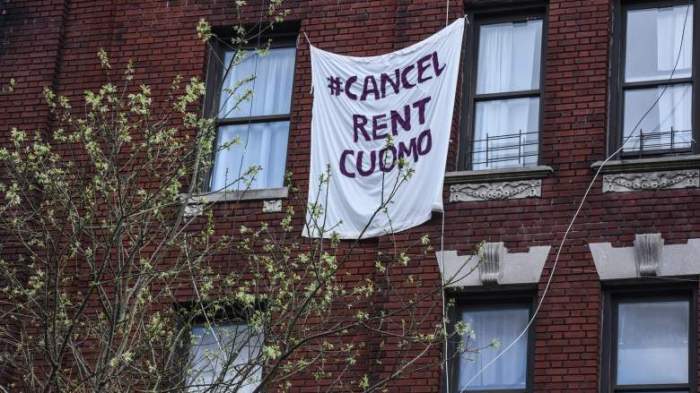
What’s the solution? Should we “cancel rent” as some residents of our new autonomous zones want? That likely might depress prices. Should the federal government cover those missed payments? That will further inflate the monetary bubble we’re already pumping at full power and will further induce moral hazard. There’s no good answer.
Ultimately the history books will look back at this pause we had and deduce that the lockdowns we imposed on ourselves were stricter and too ineffective to warrant the economic damage we caused.
Permission to reprint in whole or in part is gladly granted, provided full credit and a live link are given.
Categories: Housing
 Main St. Economics
Leave a comment